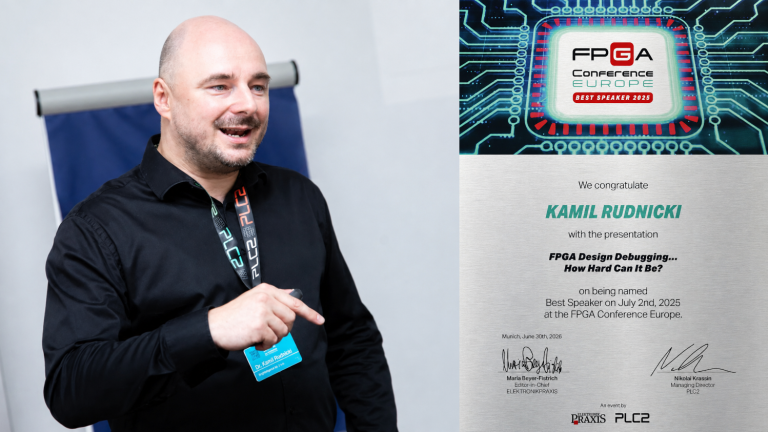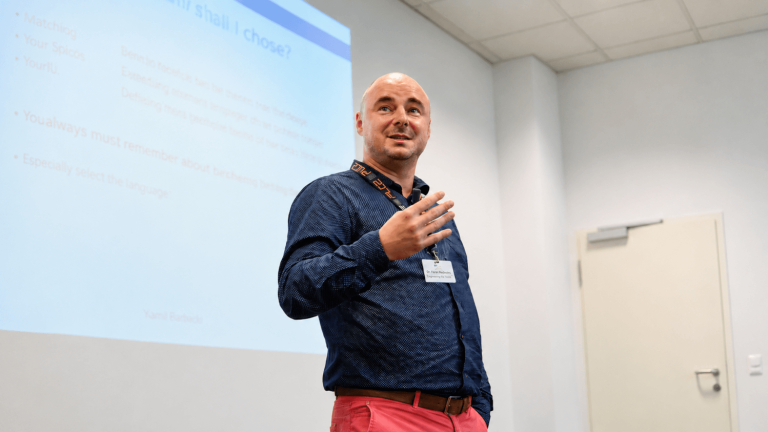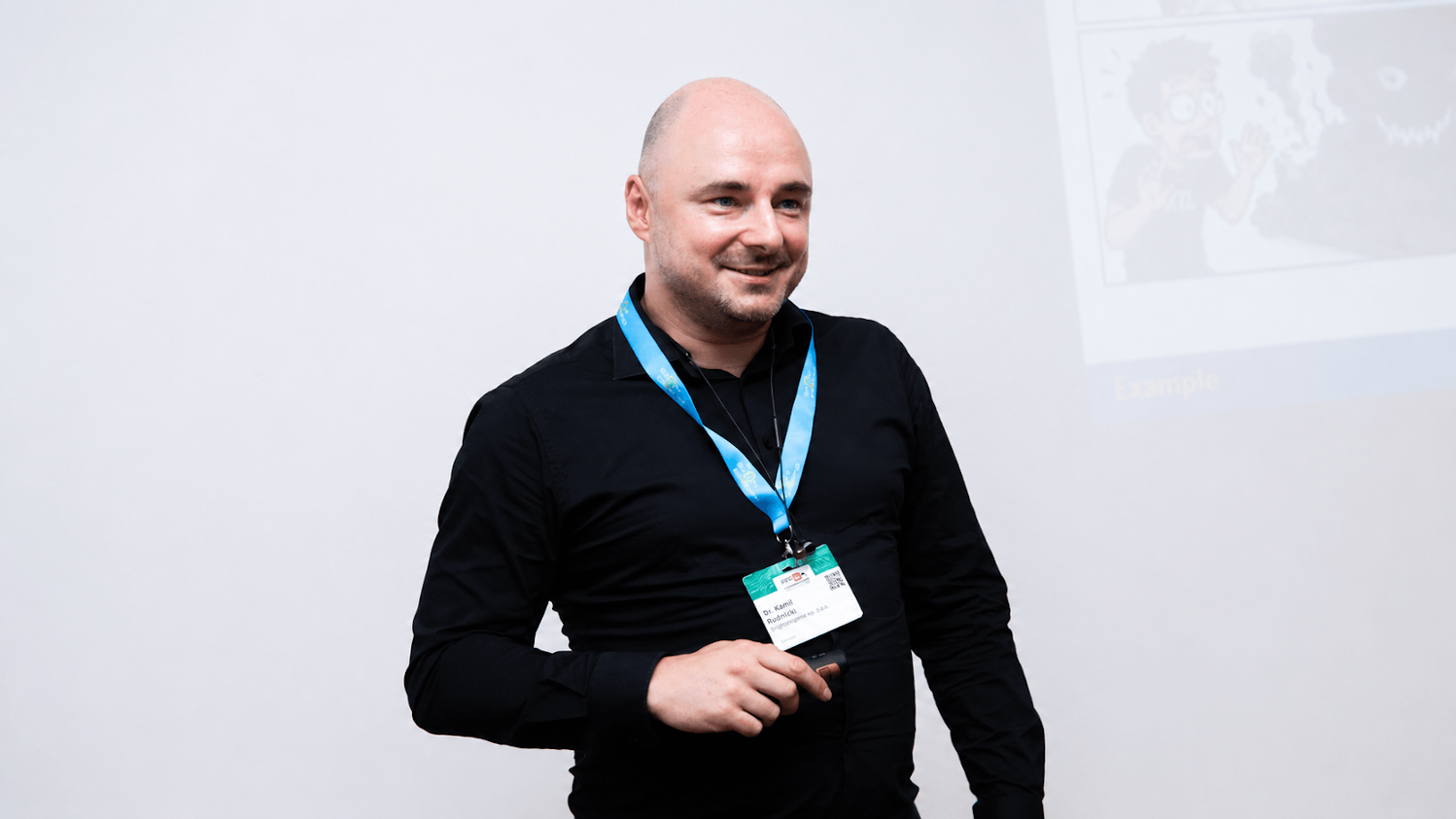
Event: FPGA Conference 2026
Date of presentation: 1 July 2026, 17:20
Audience: ~95
FPGA projects are often perceived as risky, slow, and difficult to predict. While tool complexity and device constraints are commonly blamed, the dominant factor behind missed deadlines and spiraling costs is methodology. Poor FPGA project methodology introduces a hidden tax — an accumulation of avoidable inefficiencies, late-stage surprises, and rework — that quietly but consistently erodes time-to-market.
This talk examines FPGA development methodology from the perspective of experienced engineers who have lived through both successful and failed projects. Rather than focusing on HDL coding style or specific tools, it addresses higher-level process decisions that determine whether a project scales smoothly or collapses under its own weight during integration and verification.
We begin by identifying where the hidden tax originates, often before RTL development even starts. Topics include insufficient system-level architecture, premature commitment to RTL, weak interface definitions, and unclear ownership between FPGA, software, and system teams. These early decisions lock in technical debt that becomes expensive — or impossible — to remove later.
The presentation then explores how bad methodology manifests during execution: verification that starts too late, unrealistic timing strategies, misuse of vendor IP, lack of build reproducibility, fragile constraint management, and overreliance on hero debugging during integration. Special attention is given to less obvious but highly damaging issues such as missing design intent, undocumented assumptions, and process shortcuts taken under schedule pressure that later multiply effort.
A part of the talk focuses on integration and timing closure, where methodological weaknesses are most visible and most costly. Real-world patterns are discussed, including why “almost working” designs consume disproportionate time, and how poor verification planning shifts risk to the most expensive phase of the project.
Finally, the talk outlines practical principles used by high-performing FPGA teams to minimize this hidden tax. These include front-loading risk, designing for verification, enforcing reproducibility, structuring projects for incremental integration, and aligning methodology with business timelines rather than tool convenience.
The goal is not to prescribe a single “correct” process, but to equip attendees with a framework for recognizing methodological traps early and making conscious trade-offs. Attendees will leave with actionable insights to reduce friction, improve predictability, and deliver FPGA-based systems faster and with greater confidence.