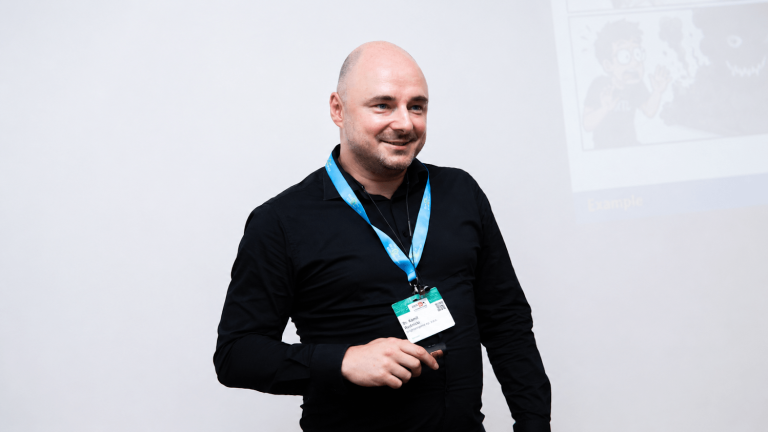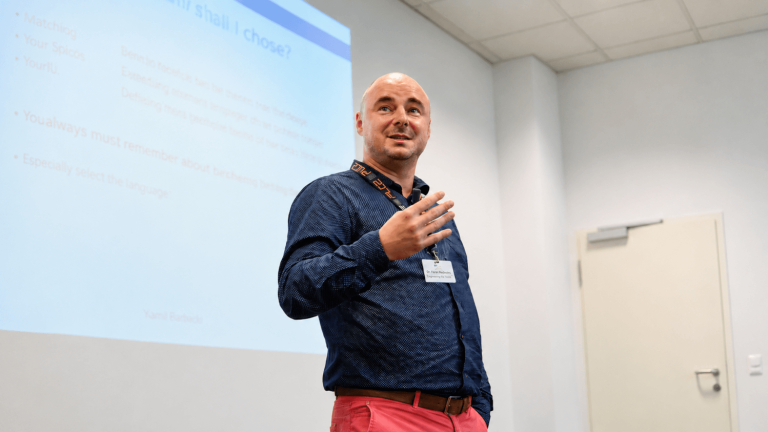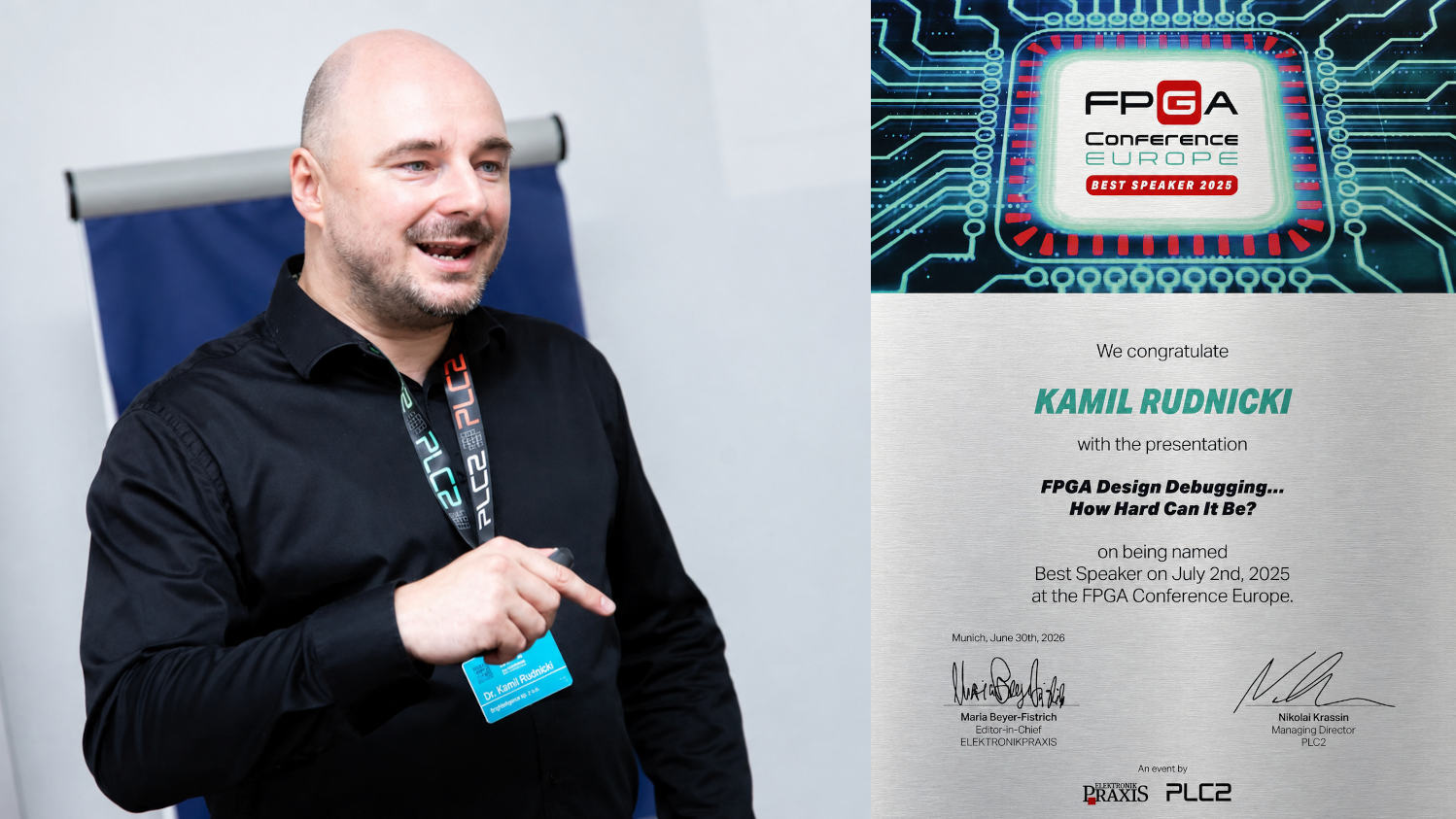
Event: FPGA Conference 2025
Date of presentation: 2 July 2025, 9:50
Audience: ~85
Award: Best speaker award!
Debugging in FPGA systems is a critical aspect of the development process due to the complexity and high-performance demands of FPGA designs. Unlike traditional software debugging, FPGA debugging involves both hardware and software components, which makes it a multi-layered and challenging task. The process requires specialized tools and techniques to analyze the behavior of the FPGA hardware, ensure correct timing, and verify the functionality of digital circuits implemented in programmable logic.

One of the main challenges in FPGA debugging is the parallelism inherent in FPGA designs, where multiple processes run simultaneously. Debugging in such an environment requires real-time observation of signals and interactions between different modules. Tools like logic analyzers, oscilloscopes, and integrated debugging features like JTAG are commonly used for this purpose. These tools allow developers to track signal states, trigger on specific events, and perform in-depth analysis of the timing and signal integrity in the design.
Another significant challenge in FPGA debugging is managing timing constraints. FPGAs are high-speed devices, and even minor timing violations can cause the system to malfunction. Timing analysis tools, such as those provided in FPGA design suites like Xilinx Vivado or Intel Quartus, help identify and correct setup and hold time violations, clock domain crossings, and other timing-related issues. Ensuring the correct setup and hold times for flip-flops and synchronizing different clock domains is essential for stable and reliable operation.
Moreover, debugging FPGA designs often involves handling memory interfaces, complex communication protocols, and the integration of peripheral devices. These elements add another layer of complexity, as issues may arise not only from the FPGA configuration but also from external hardware interactions. Debugging memory controllers, for example, requires checking for correct read and write operations, addressing errors, and verifying the correct operation of FIFO buffers.
To address these challenges, simulation tools play a crucial role in the debugging process. By running functional simulations prior to hardware implementation, developers can identify logical errors and design flaws early in the development cycle. Verilog and VHDL simulators, as well as high-level simulation environments, help to test the FPGA logic in a controlled software environment. Post-synthesis simulation tools can also provide insight into how the design will behave on the actual hardware.
In addition to hardware and simulation tools, many FPGA design environments offer built-in debugging features such as in-circuit debugging, signal probing, and real-time signal capture. These features allow developers to dynamically monitor the FPGA’s internal signals during operation, which is particularly useful for debugging complex designs with many interdependent components.
Effective FPGA debugging also involves close collaboration between hardware and software teams. Given that FPGA designs often involve embedded processors, software running on these processors must be debugged alongside the FPGA logic. Software debugging tools, such as GDB, are integrated with FPGA environments to provide a seamless workflow between software and hardware debugging.
In conclusion, debugging in FPGA design is a comprehensive process that requires a combination of hardware analysis, timing analysis, simulation, and in-system monitoring. While challenging, the right tools and techniques can significantly improve the efficiency and reliability of FPGA development, ultimately leading to more robust and performant designs.